
Thinning Hair
A wider part, a thinner ponytail or more scalp showing at the crown can be hard to ignore. Here’s what can cause thinning hair, where PRP may help, and when to start with a medical checkup.
Medically reviewed by the AMW Med Spa licensed clinical team
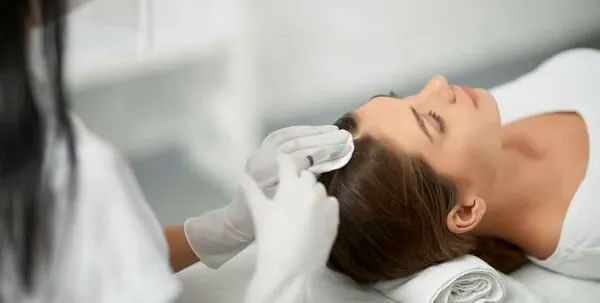
- Best options
- PRP Hair Restoration
- Typical plan
- Often 3–4 sessions, about 4–6 weeks apart
- Downtime
- Mild scalp tenderness for a day or two
- Results
- Usually judged after about 3–6 months
What causes thinning hair?
Thinning hair means hairs are growing back finer, shorter or more slowly than before, so you see more scalp. It is very common in both men and women, and it often comes on slowly over years.
The most common type is pattern hair loss, which runs in families and shows up as a widening part, thinning at the crown or a receding hairline. Other types come on suddenly or in patches and have different causes, so finding the cause comes first.
Common signs
- Wider partMore scalp showing along your part line
- Thinner crownScalp showing through at the top of the head
- Receding hairlineHair thinning at the temples or front
- Finer strandsHairs that grow back thinner and weaker
- More sheddingMore hair in the shower drain or on your brush
Areas we treat
Crown
- PRP Hair Restoration
Part line
- PRP Hair Restoration
Hairline & temples
- PRP Hair Restoration
What causes it?
Genetics
Pattern hair loss runs in families and is the most common cause.
Hormones
Menopause, pregnancy and thyroid changes can all affect hair growth.
Stress & illness
A major stress, illness or surgery can cause heavy shedding a few months later.
Diet & weight loss
Rapid weight loss or low iron and other nutrients can thin hair.
Aging
Hair naturally tends to grow finer and more slowly with age.
Two ways we can help
Rule out medical causes first, such as thyroid problems, low iron or medication side effects.
Use PRP prepared from your own blood to support the hair follicles you still have.
Compare all options side by side
| Treatment | How it works | Sessions | Downtime | Results | Price |
|---|---|---|---|---|---|
| PRP Hair Restoration | Platelet-rich plasma from your own blood, placed in the scalp | Often 3–4, about 4–6 weeks apart, then maintenance | Mild scalp tenderness for a day or two | Gradual; usually judged after about 3–6 months | $750 |
Your typical plan
- ConsultationYour provider reviews your hair history, health and medications, looks at your scalp and may suggest seeing your doctor for bloodwork first. You get a written plan with the total price.
- Treatment seriesPRP hair plans are often 3–4 sessions spaced about 4–6 weeks apart. Each visit takes about an hour.
- Results buildHair grows slowly, so changes are usually judged after about 3–6 months. Photos help track progress.
- MaintainMany people who respond plan a maintenance session every few months to help keep results.
An honest note: PRP tends to work better for early to moderate pattern thinning, and results vary. Some people see little change, and it can’t regrow hair where follicles are no longer active. Sudden shedding, patchy bald spots, an itchy, red or scarred scalp, or hair loss along with other symptoms should be checked by a doctor or dermatologist first. Proven medicines such as minoxidil may be recommended by your doctor alongside or instead of PRP, and advanced hair loss may be better served by a hair restoration surgeon.
Frequently asked
Still unsure? Call us and we’ll talk it through.
What is PRP for hair?
PRP stands for platelet-rich plasma. We draw a small amount of your blood, spin it to concentrate the platelets, and place it in the scalp where hair is thinning. Platelets carry growth factors that may support hair follicles.
Does PRP work for thinning hair?
Studies suggest PRP can help some people with pattern hair loss, especially when thinning is early. Results vary, and some people see little change. PRP isn’t FDA-approved specifically as a hair-loss treatment, and your provider will discuss what to expect and other options.
How many sessions will I need?
Many plans start with 3–4 sessions about 4–6 weeks apart, followed by maintenance every few months if you respond. Your provider confirms the plan and total price before you start.
Does it hurt, and is there downtime?
Your scalp may feel sore or tight for a day or two, and you may have mild swelling or bruising where blood was drawn. Most people go back to normal activities the same day.
When will I see results?
Hair grows slowly, so it usually takes about 3–6 months to judge whether PRP is helping. Your provider may take photos at each visit to compare.
Should I see a doctor first?
Yes, if your hair loss came on suddenly, is patchy, comes with scalp pain, redness or scarring, or started after a new medication or illness. Thyroid problems, low iron and other medical issues can cause hair loss and should be checked with bloodwork.
Can I use PRP with other hair treatments?
Often, yes. Many people use PRP alongside medicines their doctor recommends, such as minoxidil. Tell your provider about everything you use on your hair and scalp.
Who shouldn’t have PRP?
PRP may not be suitable if you have certain blood or platelet disorders, take blood thinners, have an active scalp infection, have cancer or are pregnant. Your provider reviews your health history before recommending it.
Start with a consultation.
Your provider assesses your skin and goals and gives you a written plan with the total price before anything is booked.