
Pigmentation & Sun Damage
Sun spots, freckles that keep multiplying and dark patches that makeup can’t quite cover. Here’s what causes them, what can help them fade, and how we build a careful plan for your skin.
Medically reviewed by the AMW Med Spa licensed clinical team
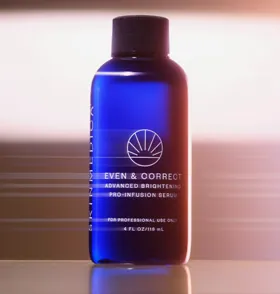
- Best options
- The Perfect Derma™ Peel, DiamondGlow® Brightening, microneedling
- Typical plan
- A series of 3 visits, about 4 weeks apart
- Downtime
- None to about a week of peeling
- Results
- Gradual fading over 2–3 months
What causes pigmentation & sun damage?
Pigmentation means areas of skin that are darker than the skin around them. It happens when the cells that make pigment (melanin) make too much of it in one spot, often in response to sun, hormones or irritation.
Sun damage usually shows up as brown spots, freckling and a rough, blotchy look on the cheeks, forehead and other areas that get the most sun. Some types, like melasma, are driven by hormones and heat as well as sun, and they need a gentler plan.
Common signs
- Sun spotsFlat brown spots, sometimes called age or liver spots
- More frecklesFreckles that darken or spread after sun exposure
- Melasma patchesLarger brown or gray-brown patches, often on both cheeks
- Marks after breakoutsDark spots left behind after pimples heal
- Rough, blotchy textureSkin that looks uneven and weathered
Areas we treat
Cheeks & temples
- The Perfect Derma™ Peel
- DiamondGlow® Brightening
- Microneedling
Forehead
- The Perfect Derma™ Peel
- DiamondGlow® Brightening
Upper lip
- DiamondGlow® Brightening
Jawline & chin
- The Perfect Derma™ Peel
- PRP Microneedling Facial
What causes it?
Sun exposure
UV light is the biggest trigger. Years of sun add up, even without burning.
Hormones
Pregnancy, birth control and other hormone changes can trigger melasma.
Inflammation
Acne, scratches, burns or harsh products can leave dark marks as skin heals.
Genetics & skin type
Some skin types make pigment more easily and hold on to dark marks longer.
Aging
Sun damage from years ago often shows up as spots later in life.
Three ways we can help
Lift away the top layers of pigmented, sun-damaged skin with a chemical peel.
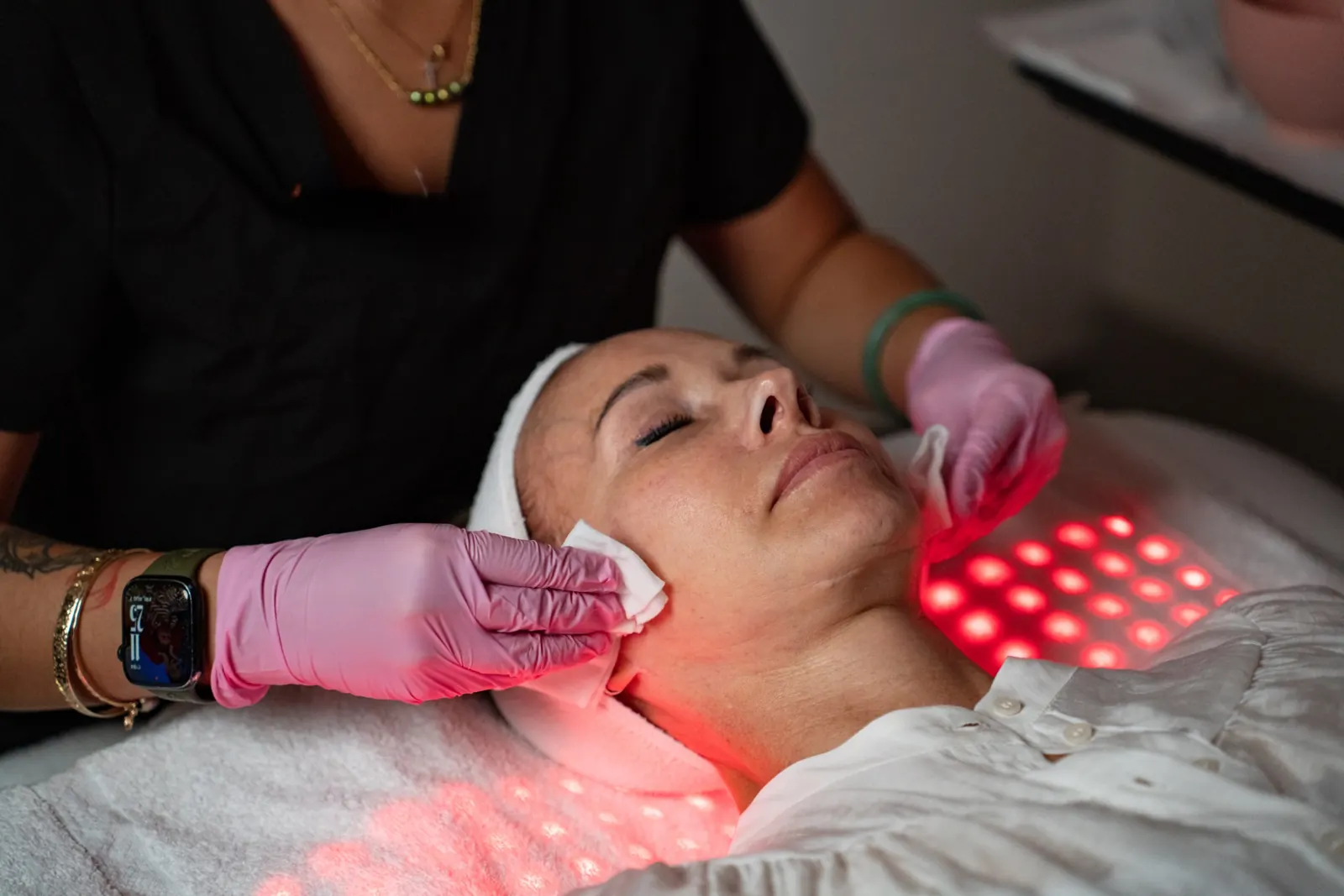
Exfoliate and infuse a brightening serum to help even out tone with no downtime.
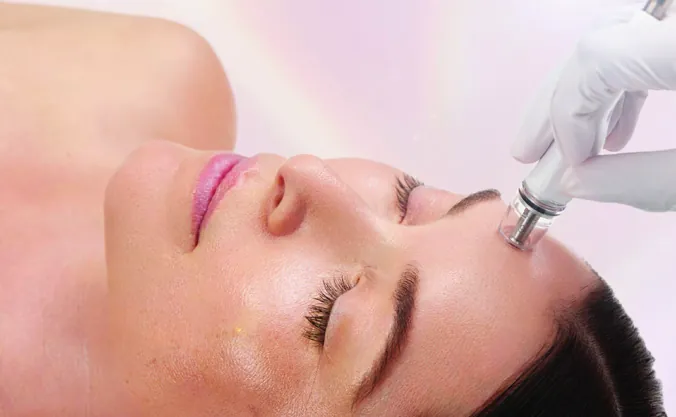
Support your skin’s natural renewal with microneedling, with or without PRP.
Renew
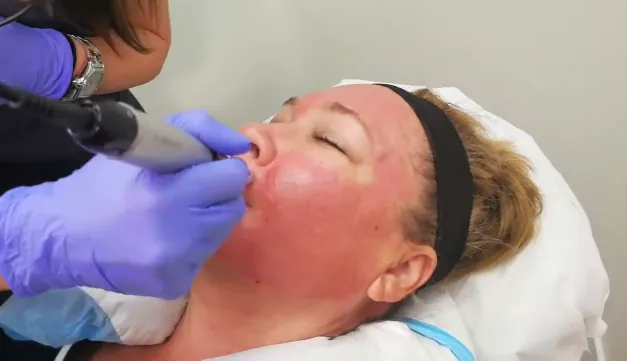
Microneedling
Best for: Sun-damaged texture along with mild spots
- Sessions
- Usually 3, about 4 weeks apart
- Downtime
- Redness for 1–2 days
- Results
- Gradual over 2–3 months
PRP Microneedling Facial
Best for: Sun damage with dullness and texture changes
- Sessions
- Usually 3, about 4 weeks apart
- Downtime
- Redness for 1–3 days
- Results
- Gradual over 2–3 months
Compare all options side by side
| Treatment | How it works | Sessions | Downtime | Results | Price |
|---|---|---|---|---|---|
| The Perfect Derma™ Peel | A medium-depth chemical peel that helps shed pigmented skin | Often a series of 3, about 4 weeks apart | Peeling for about 7 days | Gradual as skin peels and renews over the following weeks | From $299 |
| DiamondGlow® Facial Collection | Diamond-tip exfoliation, extraction and a Brightening or Vitamin C serum | Usually a series, about monthly | None | Brighter look right away; tone evens gradually with a series | $195 |
| Microneedling | Fine needles create tiny channels that prompt skin renewal | Usually 3, about 4 weeks apart | Redness for 1–2 days | Gradual over 2–3 months | From $349 |
| PRP Microneedling Facial | Microneedling paired with PRP from your own blood | Usually 3, about 4 weeks apart | Redness for 1–3 days | Gradual over 2–3 months | From $699 |
Your typical plan
- ConsultationYour provider looks at the type and depth of your pigmentation, your skin type and your history, then gives you a written plan with the total price.
- Treatment seriesMost plans are about 3 visits spaced about 4 weeks apart. Your provider may start gently if you have melasma or darker skin.
- Results buildSpots usually fade gradually over 2–3 months. Daily sunscreen is a must, or spots can come right back.
- MaintainSun keeps triggering new pigment, so many people plan a peel or facial every few months.
An honest note: Pigmentation often improves but may not clear completely, and it can return with sun exposure. Melasma is stubborn and can flare with heat or aggressive treatments, so it often needs prescription creams from a dermatologist as well. Any spot that is new, changing, bleeding or looks different from your other spots should be checked by a dermatologist before any cosmetic treatment.
Frequently asked
Still unsure? Call us and we’ll talk it through.
Can sun spots be removed?
They can often be faded a lot with a series of peels or other treatments. Some spots may lighten more than others, and results vary. Protecting your skin from the sun is what keeps them from coming back.
What is the difference between sun spots and melasma?
Sun spots are usually small, flat brown spots caused by years of UV exposure. Melasma is larger, patchy darkening, often on both cheeks, the forehead or the upper lip, and it is linked to hormones as well as sun and heat. Melasma usually needs a gentler, slower plan.
How many treatments will I need?
Most people need a series, often about 3 visits spaced about 4 weeks apart. Deeper or long-standing pigmentation may take more. Your provider confirms the plan and total price before you start.
Is there downtime?
DiamondGlow® has no downtime. Microneedling usually causes redness for 1–3 days. The Perfect Derma™ Peel causes peeling for about a week, so many people plan it around their schedule.
Are these treatments safe for darker skin tones?
Many can be, but darker skin can react to irritation by making more pigment. Your provider will choose the treatment, strength and timing with your skin type in mind, and may start gently.
Will the spots come back?
They can. Sun, heat and hormones keep telling skin to make pigment. Daily broad-spectrum sunscreen, a hat and regular maintenance visits help protect your results.
When should I see a dermatologist instead?
See a dermatologist for any spot or mole that is new, growing, changing color or shape, itching or bleeding. A dermatologist is also a good partner for melasma that needs prescription treatment.
Who shouldn’t have these treatments?
Some peels and microneedling aren’t suitable during pregnancy or breastfeeding, with active skin infections or rashes, recent sunburn, or with some medications. Your provider reviews your health history before recommending anything.
Start with a consultation.
Your provider assesses your skin and goals and gives you a written plan with the total price before anything is booked.