
Acne Scars
Breakouts can leave behind dents, pits and uneven texture long after the acne itself has calmed down. Here’s what causes acne scars, what can help soften them, and how we plan a gradual, realistic series.
Medically reviewed by the AMW Med Spa licensed clinical team
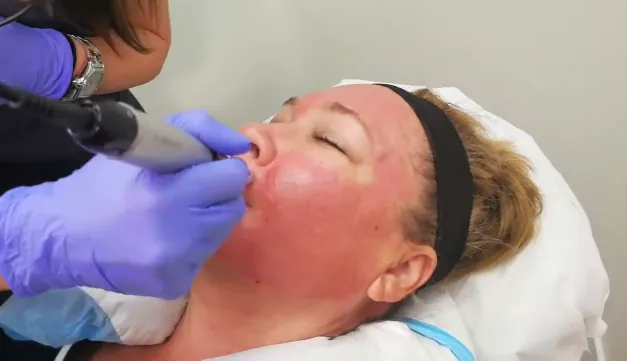
- Best options
- Microneedling, PRP microneedling, RF microneedling, The Perfect Derma™ Peel
- Typical plan
- Usually 3 or more sessions, about 4–6 weeks apart
- Downtime
- Redness for 1–3 days, or about a week of peeling
- Results
- Build gradually over 3–6 months
What causes acne scars?
Acne scars form when a deep or inflamed breakout damages the skin underneath. As the skin heals, it may make too little new collagen, leaving a dent, or too much, leaving a raised mark. Most facial acne scars are the dented kind.
Scars come in a few common shapes: shallow, wavy “rolling” scars, sharper “boxcar” scars and narrow, deep “ice pick” scars. The type and depth of your scars shape which treatments are likely to help and how much change is realistic.
Common signs
- Dents or pitsSmall hollows left after breakouts heal
- Rolling textureWavy, uneven skin that shows in side lighting
- Rough textureSkin that feels bumpy or looks uneven
- Leftover marksFlat brown or red marks where breakouts were
- Raised scarsFirm, raised marks, most often on the jaw, chest or back
Areas we treat
Cheeks
- Microneedling
- PRP Microneedling Facial
- RF microneedling
Temples & forehead
- Microneedling
- PRP Microneedling Facial
- The Perfect Derma™ Peel
Jawline & chin
- Microneedling
- PRP Microneedling Facial
- RF microneedling
Marks across the face
- The Perfect Derma™ Peel
- Microneedling
What causes it?
Deep, inflamed acne
Cysts and nodules reach deeper into the skin and are more likely to scar.
Delayed treatment
The longer inflamed acne lasts, the more chance it has to damage the skin.
Picking and squeezing
Pressing on breakouts can push inflammation deeper and raise the risk of scars.
Genetics
Some people scar more easily than others, even with similar acne.
Two ways we can help
Use controlled micro-injury to prompt your skin to rebuild collagen under dented scars.
Remove damaged outer layers with a chemical peel to smooth texture and fade marks.
Remodel collagen
Microneedling
Best for: Shallow to moderate rolling and boxcar scars
- Sessions
- Often 3 or more, about 4–6 weeks apart
- Downtime
- Redness for 1–2 days
- Results
- Gradual over several months
PRP Microneedling Facial
Best for: Scarring along with dull or uneven skin
- Sessions
- Often 3, about 4–6 weeks apart
- Downtime
- Redness for 1–3 days
- Results
- Gradual over 3–6 months
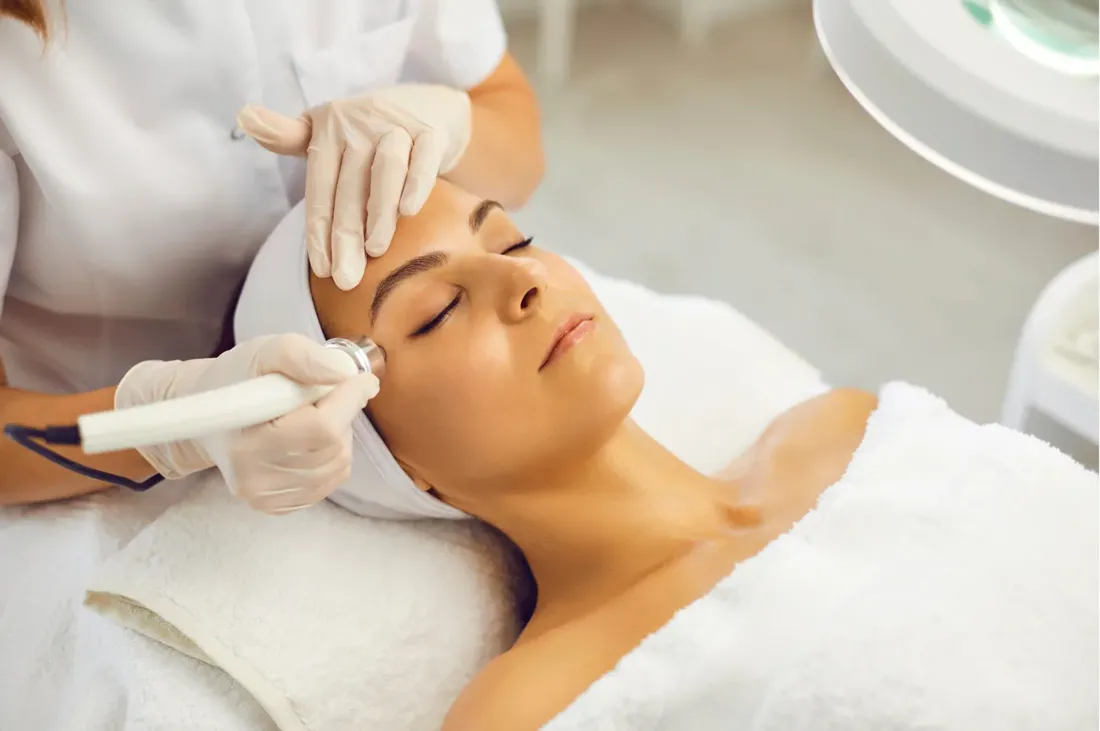
Face Firming Program (RF Microneedling + PRP)
Best for: Acne scarring along with early loss of firmness
- Sessions
- 3, about 4 weeks apart
- Downtime
- Redness for 1–3 days
- Results
- Gradual over 3–6 months
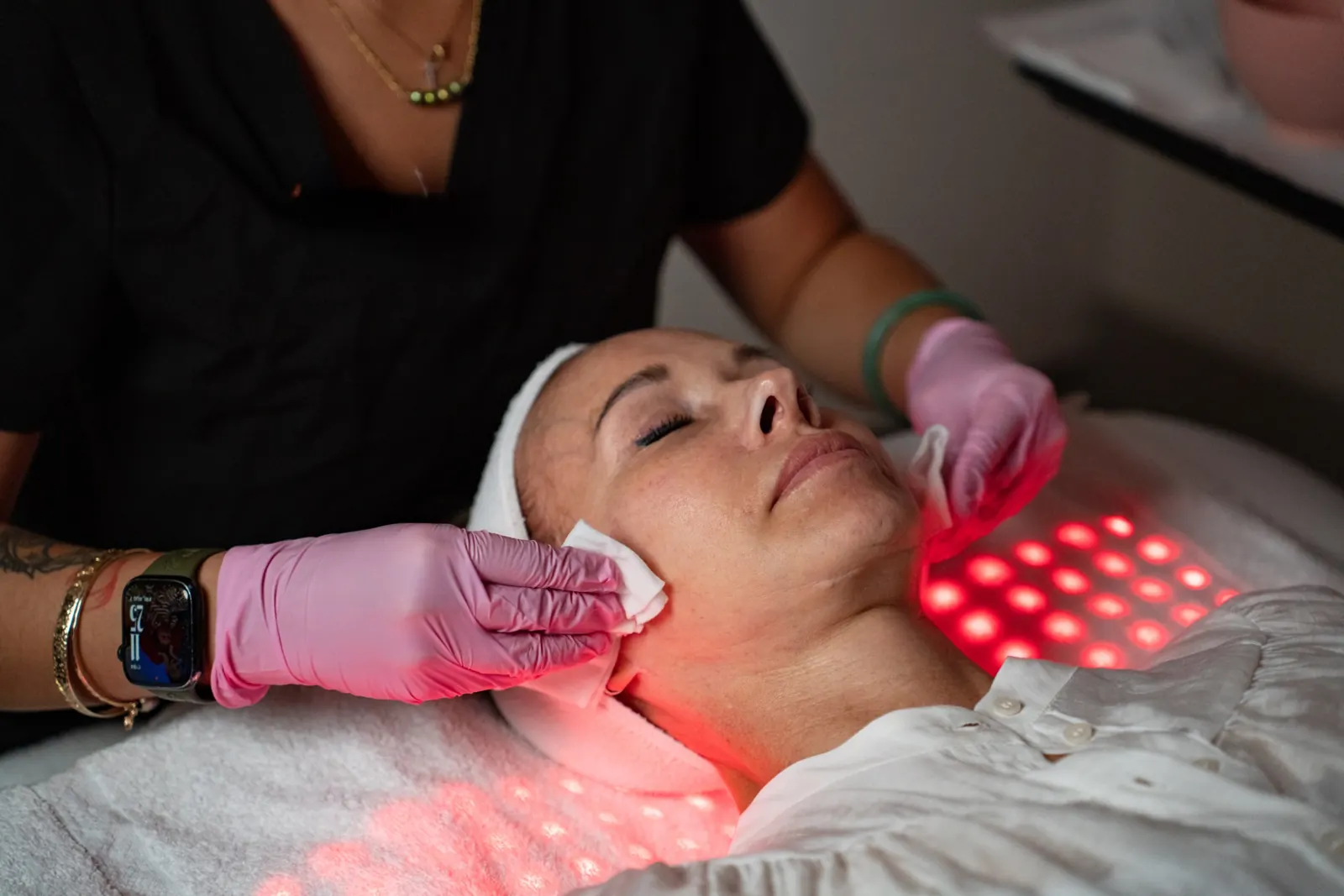
Compare all options side by side
| Treatment | How it works | Sessions | Downtime | Results | Price |
|---|---|---|---|---|---|
| Microneedling | Fine needles create tiny channels that prompt new collagen | Often 3 or more, about 4–6 weeks apart | Redness for 1–2 days | Gradual over several months | From $349 |
| PRP Microneedling Facial | Microneedling paired with PRP from your own blood | Often 3, about 4–6 weeks apart | Redness for 1–3 days | Gradual over 3–6 months | From $699 |
| Face Firming Program (RF Microneedling + PRP) | Radiofrequency (RF) microneedling with cooling and PRP | 3, about 4 weeks apart | Redness for 1–3 days | Gradual over 3–6 months | $2,399 |
| The Perfect Derma™ Peel | A medium-depth chemical peel | Often a series of 3, several weeks apart | Peeling for about 7 days | Smoother, more even skin after peeling, improving with a series | From $299 |
Your typical plan
- ConsultationYour provider looks at the type and depth of your scars, checks that active acne is under control, and gives you a written plan with the total price.
- Treatment seriesMost scar plans are a series of microneedling-based sessions about 4–6 weeks apart. A peel may be added to help with marks and surface texture.
- Results buildNew collagen forms slowly. Most people notice steady softening over 3–6 months, and results vary.
- MaintainDaily sunscreen and good acne control help protect your progress. Some people add a touch-up session later.
An honest note: These treatments can soften the look of acne scars, but they rarely make scars disappear, and deep ice pick scars or raised scars often respond less. If you still have active or cystic breakouts, get those treated first by a dermatologist or your medical provider. Raised or thick scars (keloids) are also better seen by a dermatologist.
Frequently asked
Still unsure? Call us and we’ll talk it through.
Can acne scars be removed completely?
Usually not completely. Most people see scars become shallower and less noticeable over a series of treatments. How much change you see depends on the type and depth of your scars, and results vary.
Which treatment works for my type of scar?
Shallow, rolling scars often respond well to microneedling-based treatments. Surface texture and leftover marks may also improve with a chemical peel. Your provider will look at your scars in person and recommend a plan.
How many sessions will I need?
Most people need at least 3 sessions, spaced about 4–6 weeks apart. Deeper scarring may need more. Your provider confirms the plan and total price before you start.
Is there downtime?
After microneedling, expect redness for about 1–3 days. After The Perfect Derma™ Peel, expect about a week of peeling. Most people can return to work within a day or two after microneedling.
Can I be treated if I still have breakouts?
Microneedling is usually not done over active, inflamed acne. It’s important to get breakouts under control first, often with help from a dermatologist or your medical provider. Once your skin is calmer, scar treatment can begin.
What’s the difference between a scar and a dark mark?
A scar changes the skin’s texture, like a dent or raised bump. A flat brown or red mark is a color change that often fades over time on its own. Peels and sun protection can help marks fade, while texture scars usually need collagen-building treatments.
Who shouldn’t have these treatments?
Some treatments aren’t suitable during pregnancy or breastfeeding, with active skin infections, certain medical conditions or some medications, including some acne medications. Your provider reviews your health history before recommending anything.
Start with a consultation.
Your provider assesses your skin and goals and gives you a written plan with the total price before anything is booked.